August 7, 2022
The cake that built a village reputation
If you come to Brač and ask about the most famous beach, everyone will tell you Zlatni Rat. If you ask about the highest peak, they’ll say Vidova Gora. But if you ask someone who truly lives here what really represents the island, the answer might surprise you.
Hrapoćuša.
It’s not something you’ll see advertised on every menu along the waterfront. It’s not a trendy dessert made for Instagram. It’s a traditional cake that comes from the small village of Dol, above Postira, and it carries the spirit of the island in a way that few things do.
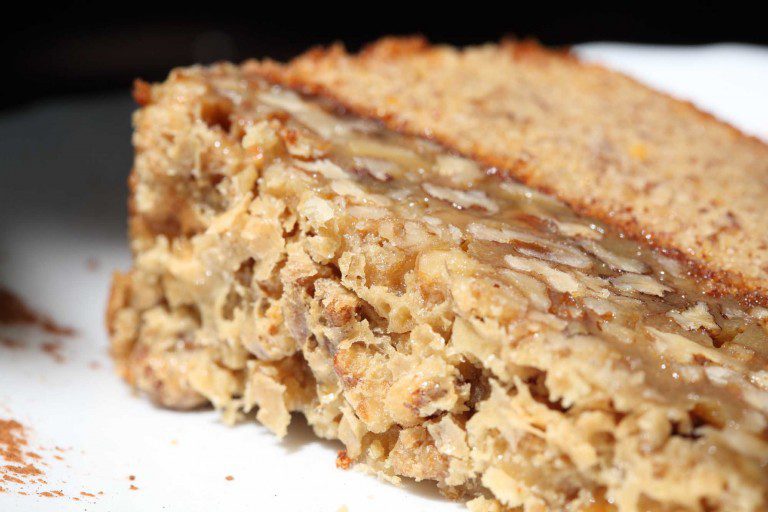
The name itself comes from the local word hrapoć, meaning rough stone. When you look at the cake, you immediately understand why. The top layer has a textured, rugged appearance, almost like the rocky landscape of Brač itself. It isn’t perfectly smooth or modern. It’s bold, dense and unapologetically traditional.
Authentic hrapoćuša is made without flour. The main ingredients are walnuts, eggs, sugar and lemon zest. Some families add a touch of prošek or maraschino liqueur, but the essence remains the same. The flavor is rich, deep and slightly rustic. This is not a light summer dessert you eat casually after lunch. This is a cake with weight — both physically and symbolically.
Traditionally, hrapoćuša was made for weddings and major family celebrations. It wasn’t something baked randomly on a quiet Sunday. It represented effort, care and abundance. Preparing it required time and skill, and every family guarded its own subtle variations of the recipe.
Dol, the village where it originated, sits just a few kilometers from the sea but feels like another era. Narrow stone streets wind between old houses. Olive groves stretch around the settlement. The atmosphere is calm and unhurried, especially compared to the lively coastal towns during summer. This is where hrapoćuša truly belongs.
Each summer, Dol celebrates a festival dedicated to this cake, reminding visitors and locals alike that tradition here is not a museum piece — it’s still alive.
Many tourists never hear about hrapoćuša. They search for pizza, seafood platters, cocktails by the beach. And then someone quietly suggests: “You should try hrapoćuša in Dol.” That’s often the moment when a trip changes from ordinary to memorable.
The journey to Dol itself is part of the experience. From Supetar, the road gently climbs through olive groves and dry stone walls. The landscape opens gradually, revealing views of the coastline below. Whether you arrive by car, by bike, or even on foot, you feel a shift in rhythm as you approach the village. Things slow down. The air feels different.
Sitting in a small konoba in Dol, tasting a slice of hrapoćuša that has been prepared according to a family recipe, you begin to understand something important about Brač. This island is not about spectacle. It’s about depth. It rewards curiosity and patience.
Hrapoćuša is not just a dessert. It’s a reminder that the true character of Brač lies beyond the obvious attractions. It lives in quiet villages, in inherited recipes, in traditions passed from one generation to the next.
And sometimes, discovering an island isn’t about seeing more.
It’s about tasting something that tells a story.